Smarter Buildings with NI cRIO: Structural Health Monitoring at Monash University
Overview
Wired-in Software partnered with EngAnalysis to deliver a comprehensive structural health monitoring (SHM) system for Monash University’s Woodside Building for Technology and Design based on the NI cRIO platform. The system integrates over 300 sensors with synchronised, high-rate data acquisition and the NI SystemLink platform for real-time monitoring, dashboards, and controlled access for students and researchers. Operating reliably for over a year, it supports teaching, research, and building performance management while simplifying software deployment and maintenance.
The Challenge
🌱 Monash University’s Woodside Building is one of the largest Passive House–certified educational buildings in the Southern Hemisphere (~19,000 m², five storeys). It serves as a “living laboratory” where exposed structures and systems are part of the teaching experience.
The Monash Uni School of Civil Engineering wanted to install a SHM system as part of this new building that would be a foundation for teaching structural monitoring. To do this, we needed to achieve the following:
High-resolution, synchronised data from hundreds of sensors, across several levels
Reliable long-term monitoring and alerting
Direct access to performance data for teaching and research
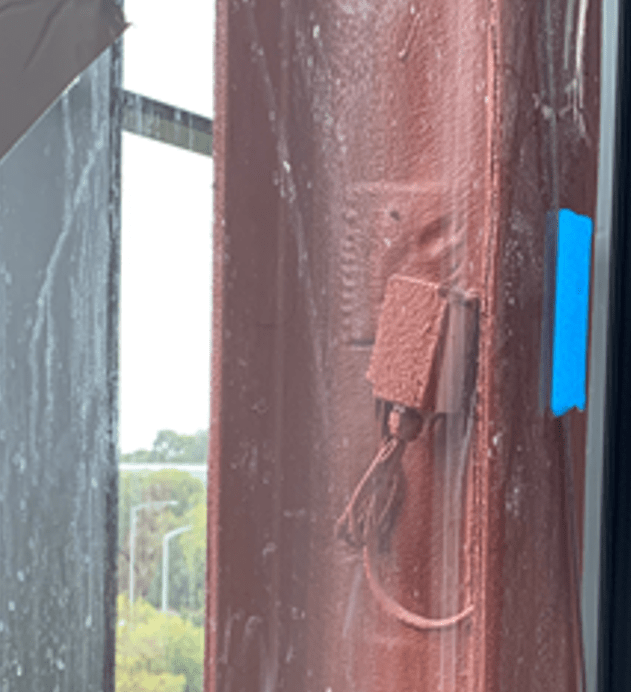
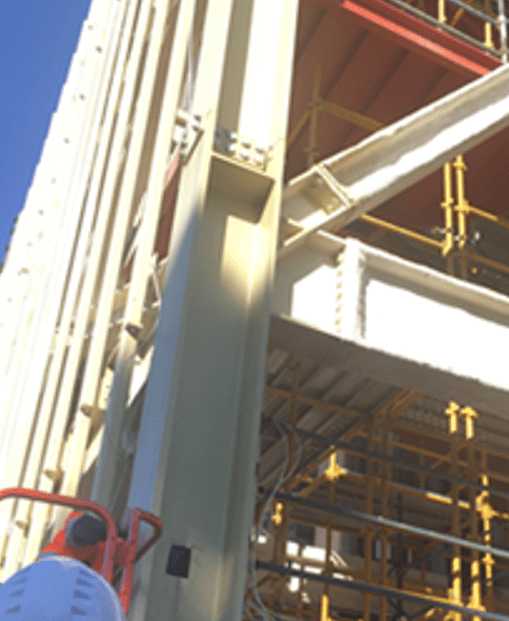
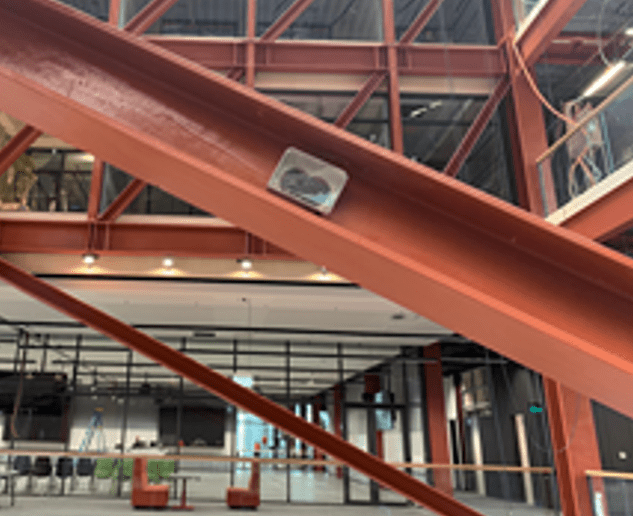
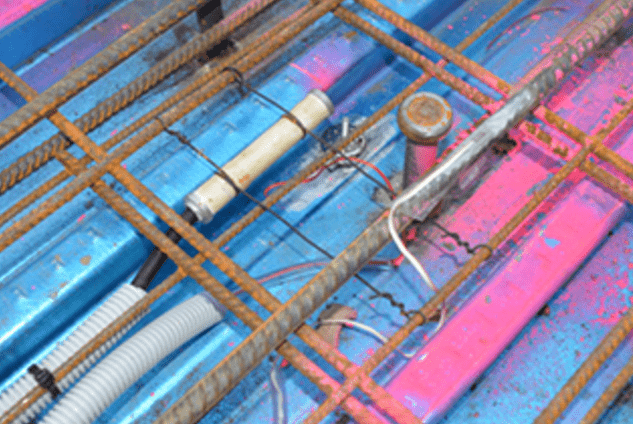
Various images of building sensors applied at Monash University
Collaboration
The project was a collaboration between the following organisations:
Wired-in Software: Instrumentation selection, software development, SystemLink integration, ongoing support
EngAnalysis: Sensor selection, design & installation (~300 strain, accelerometers, temperature, and other sensors)
Monash University: Vision and requirements, IT administration and support, Academic and Development use
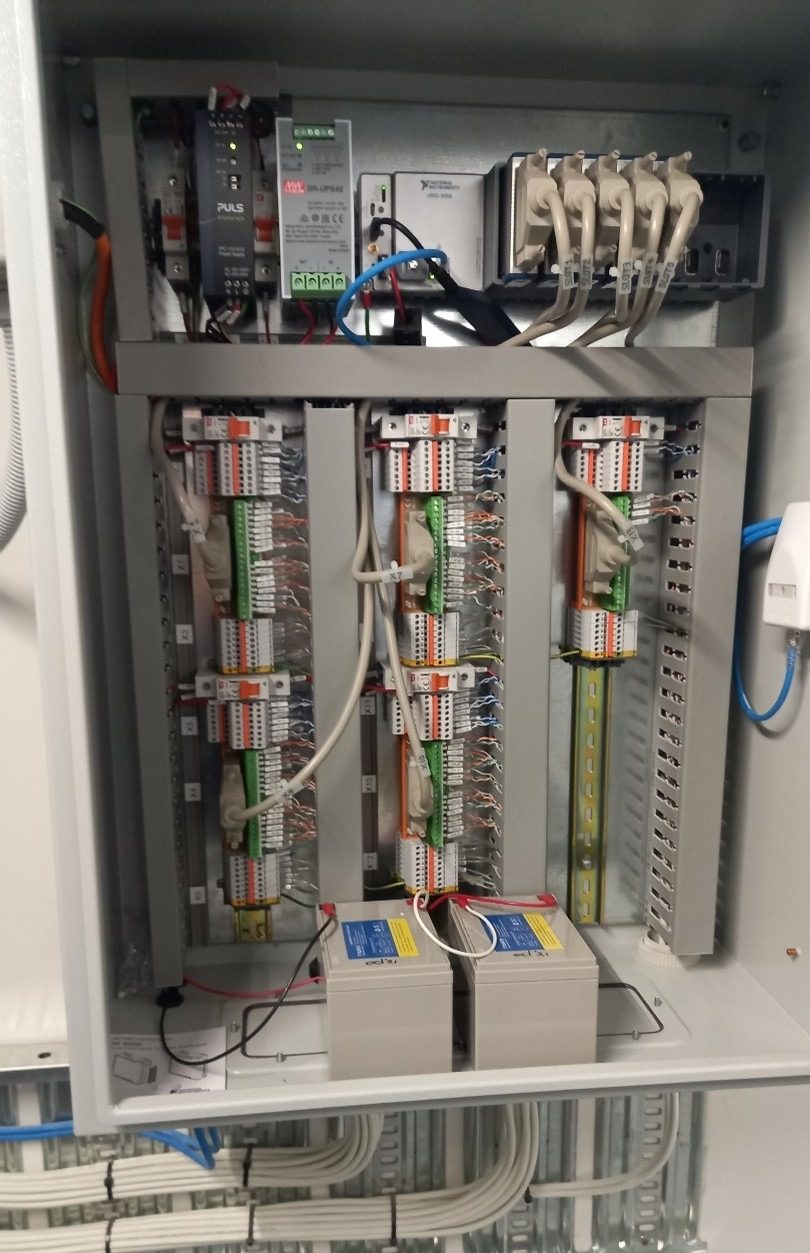
An NI cRIO resides inside an electrical cabinet as installed by EngAnalysis
Custom application running developed in NI LabVIEW RT and NI DAQmx
NI MAX used to manage all of the sensor channels, tasks, scaling, and calibration
Data captured from the distributed strain, accelerometer, temperature sensors (acquired at 1.67 kHz per channel and then decimated to 557 Hz ) with Time Sensitive Networking ensuring signal synchronisation < 1us
SystemLink Client publishes tag and file data to Systemlink Server
One Campbell Scientific datalogger:
Custom LabVIEW application running on a Virtual machine, acquiring Piles structural data from a Campbell Scientific datalogger via Modbus,
Publishing data to SystemLink Server
NI SystemLink Advanced Server installed on a Virtual Machine
Acting as a single point of data storage, systems management, and analysis
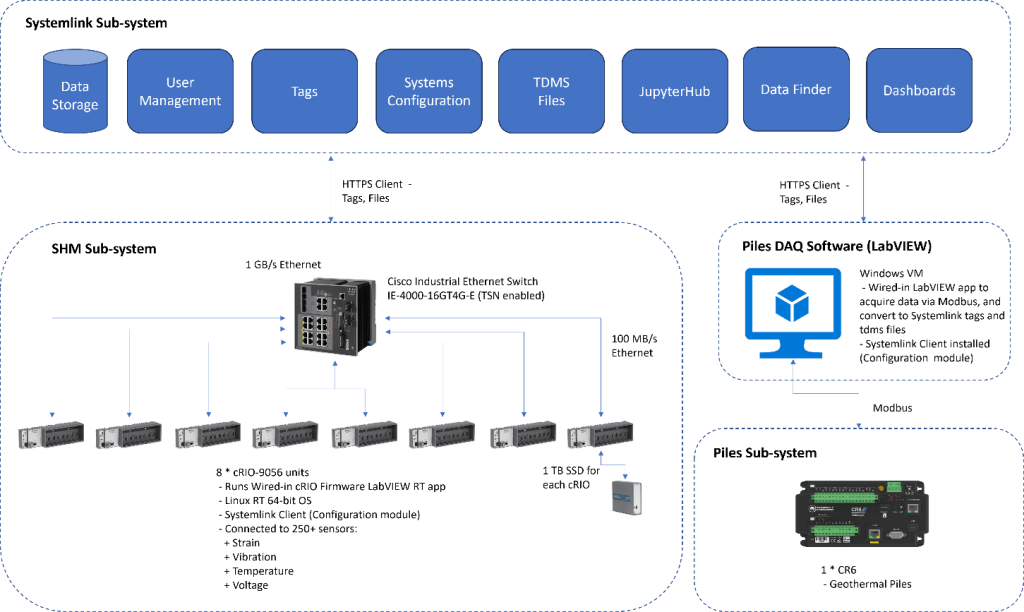
System Architecture, showing the key sub systems
Systemlink Integration
Client Deployment: Each cRIO and virtual machine sends tags and TDMS data to the SystemLink server
System Monitoring: Alerts for client errors, dropouts, high CPU/memory usage for faster assessment and response
Centralised Software Management: Update all nodes with a single click
Data Search: TDM DataFinder plugin for advanced dataset queries
Dashboards: Simple, clear dashboards for at-a-glance system status and measurements
Jupyter Notebook: Custom python code can be executed within the JupyterHub plugin for automation tasks such as machine learning, data analysis, and visualisation
Student & Academic Access: Controlled API access for research, projects, and teaching
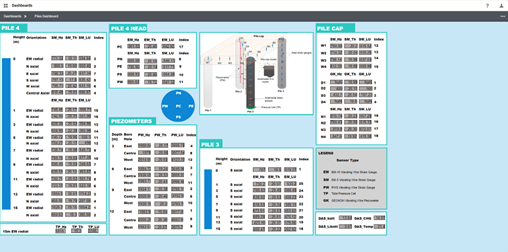
Systemlink Dashboard showing the current tag readings from the Piles Datalogging system
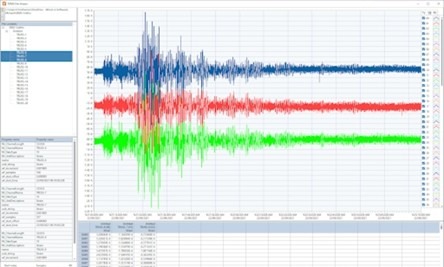
Systemlink TDM Datafinder plugin showing the capability of digging into a specific sensor and showing the relevant data available for analysis
Integration Challenges and Commitment to Quality
The project presented some complex integration challenges including synchronisation issues, SystemLink setup and licensing, secure port establishment, data captured maxing out local SSD capacity and cRIO LabVIEW memory leaks just to name a few. Nonetheless Wired-in stayed focused and committed throughout, and methodically resolved each issue, and still periodically monitors system status to ensure uptime. By applying our core systems integration capability, we persisted and ensured the SHM platform was delivered to a high standard, reliable, and fully supported for ongoing research and teaching.
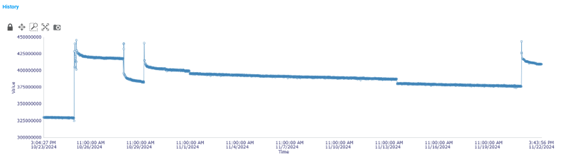
Systemlink built-in tags such as “Memory Available” proved useful in tracking down a memory leak in an earlier version of the cRIO code, which is now resolved.
Ongoing Support
Wired-in continues to maintain and update the software and instrumentation, ensuring reliability and adaptability for evolving research needs.
Results and Benefits
Continuous Insight:300+ synchronised sensors streaming in real time
Improved Reliability: Automated monitoring and alerting reducesdowntime